Sustainable Solutions: How E-Waste Recycling Services Are Saving Our Planet
E-waste poses significant threats to the environment, as disposed electronics frequently harbor hazardous substances. These toxic materials have the potential to taint soil and water sources, leading to broader See details ecological damage. Electronic waste recycling programs offer an effective remedy. They not only recover valuable resources but also mitigate pollution. Comprehending the operation of these services and their influence on communities is of great importance. The path to successful electronic waste management prompts vital discussions about personal accountability and communal efforts. What steps can be taken next?
The Reasons E-Waste Is Damaging to the Planet
While technological advancements improve our daily lives, e-waste creates serious threats to the environment. Disposed electronic equipment, frequently composed of hazardous materials such as cadmium, lead, and mercury, can leach toxins into groundwater and soil, posing risks to both wildlife and human well-being. The rapid pace of technological advancement results in higher rates of electronics disposal among consumers, intensifying the growing problem of e-waste.
Landfills, already burdened with waste, struggle to accommodate the growing volumes of discarded gadgets. Incineration, a common waste management technique, emits dangerous pollutants into the environment, degrading atmospheric conditions. In addition, improper recycling practices can lead to the exportation of e-waste to developing countries, where laborers may dismantle devices without adequate safety measures, exposing themselves to dangerous substances. This ongoing cycle of carelessness and inadequate management emphasizes the pressing necessity for responsible recycling initiatives that can lessen the harmful consequences of e-waste on our world.
What Is E-Waste and Why Is It Important?
E-waste, or electronic waste, includes obsolete electronic products like televisions, computers, and smartphones that have exceeded their operational lifespan. This growing category of waste is significant because of its swift buildup, driven by technological advancements and consumer trends. With an increasing number of devices reaching obsolescence, the environmental impact intensifies, with dangerous elements including lead, mercury, and cadmium threatening both ecosystems and public health.
Addressing e-waste is crucial not only for reducing these dangers but also for acknowledging the precious materials found within it. Valuable metals and rare earth materials can be extracted and repurposed, lessening the demand for mining and preserving natural resources. Through a deeper awareness of e-waste and its consequences, both individuals and organizations can make well-informed choices regarding disposal and recycling, thereby supporting a more sustainable future. Effective handling of e-waste is vital for encouraging a circular economy and advancing environmental responsibility.
The Way E-Waste Recycling Functions
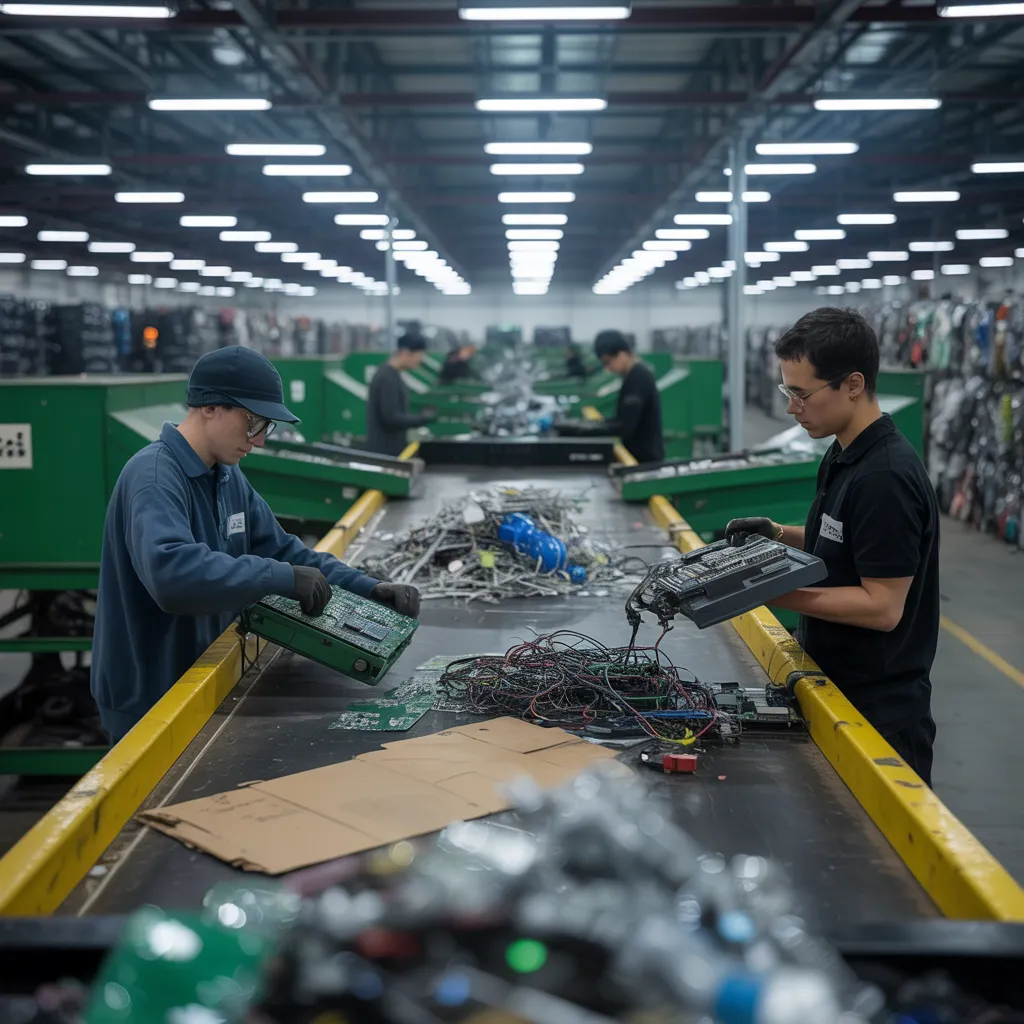
Recycling e-waste involves a structured approach designed to recover valuable materials while reducing harm to the environment. At the outset, electronic waste is gathered and delivered to dedicated processing centers. Upon arrival, the electronics are carefully categorized to distinguish harmful elements from reusable resources.
After this step, workers take apart the products, separating plastics, metals, and glass. This process is vital, as it enables the recovery of valuable metals like silver, gold, and copper, which can be recycled in modern electronics.
Next, the divided materials are handled using sophisticated techniques, such as mechanical shredding and chemical processing, to prepare them for repurposing.
Finally, the residual dangerous materials are managed properly, adhering to environmental guidelines. This multi-step approach not only preserves valuable resources but also minimizes the hazards associated with unsafe e-waste handling, securing a more eco-conscious future for electronic consumption.
Why E-Waste Recycling Matters for You and Your Community
Though many people are unaware, the advantages of e-waste recycling go far beyond individual benefit and actively shape entire communities. By responsibly disposing of electronic waste, individuals help foster a safer environment, decreasing toxic components that can seep into soil and water. This proactive approach actively safeguards local ecosystems and supports public health.
In addition, e-waste recycling fosters job creation within communities. Regional recycling centers frequently need staff for a range of functions, spanning collection through processing, thus generating valuable job opportunities within the community. This not only boosts the local economy but also promotes community participation in sustainable initiatives.
Moreover, understanding of e-waste recycling has the potential to generate learning opportunities, equipping residents to pursue greener alternatives. By participating in e-waste recycling programs, individuals promote a culture of sustainability, prompting others to join the movement. Overall, the cumulative impact of these actions can contribute to a more strong and environmentally aware community.
A Guide to Selecting an E-Waste Recycling Service
Selecting the most suitable e-waste disposal service is crucial for guaranteeing that e-waste is processed in a responsible and sustainable manner. Initially, consumers should check the provider's accreditations, such as R2 or e-Stewards, which signify compliance with industry standards for responsible recycling methods. It is equally important to examine the provider's standing by checking reviews and seeking recommendations from trusted sources.
Furthermore, openness in the recycling process is crucial. A reliable company should provide clear information about the way e-waste is handled and what happens to the materials. Moreover, assessing the variety of services available can be advantageous; certain providers may offer collection services or present rewards for recycling.
Finally, familiarizing yourself with area-specific requirements for e-waste disposal can help inform the decision-making process. When these considerations are given priority, individuals can contribute to successful electronic waste reduction as well as promoting sustainable environmental efforts.
Ways You Can Participate in E-Waste Recycling?
Engaging in e-waste recycling may begin at the local level, where local recycling facilities regularly supply essential services for responsible disposal. Additionally, taking part in community awareness campaigns can enhance efforts to educate others about the importance of responsible e-waste management. These initiatives not only encourage sustainable practices but also build a collective sense of accountability for the environment.
Community Recycling Locations
Several regional recycling hubs serve a vital function in recycling electronic waste, providing communities with accessible options to manage electronic waste appropriately. These stations receive a wide array of electronic equipment, including old computers, smartphones, and televisions, verifying that toxic materials are disposed of safely. Most centers are equipped with trained staff who can guide individuals on proper disposal methods, highlighting the value of recycling rather than landfilling. Moreover, several stations organize drop-off events or designated collection days, enabling residents to engage without difficulty. By engaging with these local facilities, residents support a circular economy, decreasing environmental damage and advancing sustainable approaches. Working alongside these hubs empowers communities to take action against e-waste pollution effectively.
Community Outreach Campaigns
Local organizations, schools, and businesses can collaborate to host events that promote e-waste collection drives. Volunteers can play a pivotal role in raising awareness, sharing informational resources, and connecting with local residents. As a result of these combined actions, community members grow more knowledgeable and inspired to dispose of their electronics responsibly, thereby helping to build a greener and more sustainable tomorrow.
Frequently Asked Questions
What Kinds of Electronics Can Be Recycled?
Various electronics are able to be recycled, including laptops, televisions, smartphones, printers, computers, and gaming consoles. Furthermore, accessories such as keyboards, mice, and batteries are well-suited for recycling, supporting efforts to conserve the environment.
Are There Any Costs Associated With E-Waste Recycling?
That's correct, e-waste disposal sometimes comes with charges, depending on the service provider. Certain providers charge fees for pickup or handling, while other facilities offer free services, frequently supported by the resale of recovered materials.
What Are the Benefits of E-Waste Recycling for Businesses?
Companies can take advantage of e-waste recycling by lowering disposal expenses, improving their green reputation, complying with regulations, reclaiming useful materials, and potentially generating revenue through resale, thereby fostering a more environmentally responsible business approach.
What Occurs with Data on Recycled Devices?
Details regarding recycled equipment is frequently permanently erased or eliminated during the refurbishment process. This guarantees private details remains secure, blocking unwanted intrusion while enabling resources to be reused securely and sustainably within new applications.
Is It Possible to Recycle Damaged Electronics?
Yes, broken electronics may be recycled. Many facilities receive damaged devices, ensuring safe disposal and retrieval of precious materials. It helps lower environmental impact while supporting sustainable recycling habits to control e-waste responsibly.